Share support and care effortlessly around the world
You are back online
Share support and care effortlessly around the world
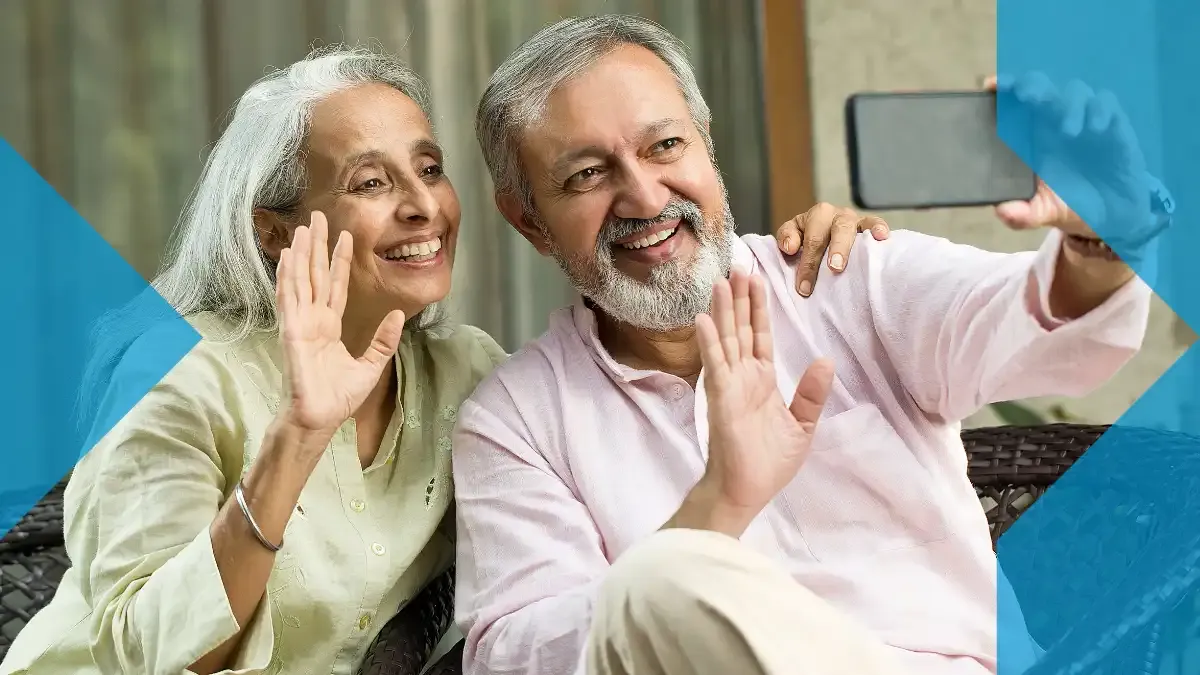
Sending money and support across borders has become a lifeline for families worldwide. In fact, nearly half of surveyed migrants say sending money home is as essential as paying rent or utilities. Global remittance flows continue to grow, approaching $900 billion by 2024, underscoring how crucial these funds are for households in developing economies. But in 2026, “sending money” isn’t limited to cash remittances. A new toolkit of digital services, from traditional international money transfers to mobile top-ups and digital gift cards, allows those abroad to tailor support to their loved ones’ exact needs. This practical guide will help you choose the best option depending on the country and situation, ensuring your support has the greatest impact.
Before deciding how to send support, consider what your recipient needs most and what options are available in their country. For decades, the default was to simply send money internationally and let the recipient decide how to use it. Cash remittances remain vital for household sustenance, education, and healthcare. However, today, a sender has more choices. The digital revolution has empowered migrants to provide support in more diverse and immediate ways beyond just cash. It’s important to match the method to the need:
Also, consider the infrastructure your recipient has access to. In some countries, most people have bank accounts, while elsewhere, cash pickup or mobile wallets are more common. For example, many in Africa (e.g., Ghana, Kenya, Nigeria) rely on mobile money wallets on their phones. As of 2024, 40% of adults in Sub-Saharan Africa had a mobile money account. In contrast, recipients in parts of Asia (like India or Bangladesh) often have bank accounts, making bank deposits convenient, whereas in the Philippines or Pakistan, cash collection at an agent or mobile wallet transfer might be preferred. Latin America (e.g., Mexico, Dominican Republic, Guatemala) has rapidly adopted digital wallets too (37% of adults with mobile money in 2024), but traditional cash pickup remains widely used in some areas. The key is to ask your recipient what form of help is easiest for them; a bit of planning ensures you choose the service that truly meets their needs.
International money transfers are the foundation of global remittances, sending money directly to your recipient via a bank deposit, money transfer operator, or wallet credit. This is the go-to solution when your recipient needs flexible funds. They can use the money for any expense, making it ideal for general support. Money transfer services today offer a range of delivery channels: you can send money for cash pickup, bank deposit, or even credit to a mobile wallet, depending on what’s available locally.
When choosing a money transfer, consider speed, cost, and convenience. Digital-first providers often boast lower fees or better exchange rates than traditional banks, and transfers can be completed within minutes to a bank or wallet. In fact, about one-third of remittance users now send money via mobile apps, attracted by the speed, transparency, and ease of use. As of 2025, the average cost of sending $200 globally was about 6.5%, so it pays to shop around for a provider with competitive rates or promotions. For large, regular transfers, digital money transfers remain the workhorse, giving recipients broad freedom in how to utilize the support.
Delivery matters: If your recipient has a bank account, sending directly to it is convenient and often incurs lower fees. If they are unbanked or in remote areas, sending to a mobile money wallet (common in many African countries) or arranging cash pickup at a local agent might be better. We’ll discuss choosing delivery methods in detail later, but keep in mind that money transfers today are highly adaptable. The bottom line: for flexible financial support, a well-chosen money transfer service is still the best all-purpose tool in your toolkit.
Sometimes, sending money isn’t the most efficient way to support, especially for smaller, urgent needs like staying in touch. International mobile top-ups allow you to instantly recharge a prepaid mobile phone account for someone abroad. This is a game-changer for families who rely on mobile phones as their primary mode of communication. By topping up their airtime or data, you ensure your loved ones can make calls, send texts, and access the internet without interruption. This seemingly small act can have a profound impact, preventing isolation and fostering a sense of presence despite the distance.
When to use top-ups: If your recipient’s phone is low on credit or you want to guarantee they can contact you in an emergency, a top-up is ideal. It’s fast and often low-cost. The transfer happens in seconds, and the fees for a top-up are usually minimal (sometimes just a small margin on the airtime purchase). In fact, the transaction costs on mobile top-ups can be lower than traditional money transfer fees, making it an efficient way to provide frequent, small support. For example, rather than sending $10 via a money transfer (where fees might eat a large chunk), a sender can directly add $10 worth of airtime to a phone with little to no fee. Another advantage is security; you’re not sending cash that needs to be collected; the value goes straight to their phone.
Mobile recharges are available for hundreds of countries through various apps and websites. Whether your family is in Nigeria, the Philippines, Mexico, or almost anywhere, chances are you can send a top-up to their local mobile operator. Often, this is done through a smartphone app or online in a few clicks. As a sender, it’s comforting to know you can immediately ensure your mother’s phone stays active or your younger sibling can call you after classes, no matter where you are in the world.
Importantly, mobile top-ups complement larger money transfers; they don’t replace them. Think of it as part of a mixed strategy: you might send a monthly remittance for general expenses, and in between, send small top-ups to keep communications flowing. In 2026, keeping loved ones connected is just a few taps away, and it’s often the simplest, most direct way to show you care on a day-to-day basis.
What if you want to be sure your hard-earned money is spent on exactly what your family needs? This is where digital gift cards (also known as e-gift vouchers) come in. Cross-border gift vouchers for groceries, medicines, or other essentials offer a targeted approach to support. Instead of sending cash and hoping it goes to the intended purpose, you can send a supermarket gift card, a pharmacy voucher, or even a utility credit that the recipient can redeem for the specified goods or services. It’s a form of purposeful remittance that ensures assistance directly addresses specific needs. For example, a gift card for a major grocery chain in Kenya or Jamaica means your family will have food on the table, paid for by your support.
Digital gift cards are swift, secure, and hassle-free for the recipient. Often delivered as a code via SMS or email, they can be used instantly at local stores. The receiver doesn’t need to travel or wait in line to collect cash; they simply redeem the voucher when shopping, just like any customer. As one provider put it, this is a “controlled financial support” method: you help without worrying whether the money might be misused. For senders who have specific concerns (say you want to cover Grandma’s electricity bill or ensure your younger cousins get school supplies), this peace of mind is invaluable. And for recipients, it means immediate access to what they need, no need to pay upfront and wait for reimbursement, and no extra steps.
Gift cards are especially popular for occasions and emergencies. During holidays or birthdays, sending a gift voucher for a shopping spree or a nice meal can be a heartfelt way to celebrate from afar. Conversely, in times of hardship (after a natural disaster or during an illness), a targeted voucher for food, water, or medicine provides tangible relief. Diaspora communities have shown strong demand for these expanded services, with surveys finding that grocery gift cards, utility payments, and even restaurant vouchers are among the most sought-after options for supporting family back home. This demand is driving innovation: for instance, mobile top-up companies like Ding partnered with local firms to offer diaspora e-cards for Jamaica that cover groceries, utilities, and pharmacy purchases. Similar offerings are emerging in countries across Africa, Asia, and Latin America, integrating local merchants and billers into global remittance apps.
When opting for a gift card or voucher, make sure the service is partnered with trusted merchants in your recipient’s country. Many platforms will show a list of available retailers (supermarket chains, utility companies, pharmacies, etc.). You simply choose the merchant and value, and your recipient gets a digital voucher they can spend at that merchant. It’s straightforward and usually fee-free for the sender (you pay exactly the value you’re sending, and any small fee is often built into the exchange rate or price). The trade-off is that the funds are restricted to that purpose, which, of course, is the goal. By 2026, sending care can be as specific as paying directly for a bag of groceries or a month’s electricity. Gift cards and vouchers empower you to know exactly how your support is used, ensuring it truly makes a difference in your loved ones’ lives.
With so many options in your toolkit, it might sound complex to manage, but this is where modern money transfer apps shine. Leading remittance apps and digital platforms now bundle these services (transfers, top-ups, vouchers, bill pay, etc.) into one convenient place. Using a dedicated app or online service offers several key benefits for senders:
It’s no surprise that mobile apps are rapidly gaining ground for remittances, especially among younger senders. Roughly one-third of people now use an app to send money home, and this figure grows each year. Whether you’re sending from the USA, Europe, the Gulf, or anywhere, using a dedicated app can simplify your life. It puts the global sending toolkit at your fingertips: you might transfer cash to India this week, top-up a phone in Uganda next week, and send a grocery voucher to Jamaica at month’s end, all without leaving your couch. The ease of switching between services in-app encourages more frequent support as well, helping you respond instantly to your family’s needs. In short, leveraging a good remittance app amplifies the power of every tool in your toolkit, making you an efficient, well-informed sender.
Finally, let’s talk about delivery methods for your support, essentially, how the money or value reaches your recipient. This is a crucial consideration, as it affects how easily your loved one can access the support. The best choice depends on local conditions and personal circumstances:
Choosing the right delivery method often comes down to accessibility and comfort. If your relatives are tech-savvy and have smartphones, sending to a mobile wallet or as a digital voucher can be seamless. If they live in areas where internet or banking is unreliable, cash pickup or home delivery might be safer bets. Fortunately, you don’t have to guess blindly; talk to your recipient about what works best for them. Many times, a combination is ideal: for instance, send a bank transfer for most of the support but also do a small mobile wallet send for immediate needs, or cash for someone who likes the assurance of physical money.
In 2026, senders have a truly global toolkit for supporting their loved ones. The common thread across money transfers, top-ups, gift cards, and all these methods is that they let you send care, not just money. By understanding your recipient’s circumstances and needs, you can choose the perfect tool, or mix of tools, for the job. Often, that means combining services: a larger transfer for general expenses, regular mobile top-ups to keep in touch, and an occasional gift voucher for a specific need. A single platform that offers these options side by side makes that strategy easier to follow in real life, which is why sendvalu brings money transfers, mobile top-ups, and digital gift cards together in one place.
Remember that what works best may vary by region and family. A sender in the UK supporting family in Kenya might lean heavily on mobile money and airtime, while someone in the US sending to Mexico might use a mix of bank deposits and cash pickups. There is no one-size-fits-all, and that’s exactly why having multiple options is powerful. The landscape of cross-border support is increasingly intertwined: digital services complement traditional remittances rather than replacing them. Using sendvalu as a multi-service option can help you adapt to those differences, because you can choose the service that fits the moment, the country, and what your recipient can access easily.
Migrants today are not just senders of money but providers of connectivity, payers of bills, and givers of gifts across borders. As you build your own sending strategy, take advantage of the tools at your disposal. A reliable app experience helps you manage everything in one place, track what you sent, and repeat what works without starting over each time. With sendvalu, that can look like setting a dependable routine for transfers, adding quick top-ups when communication matters most, and choosing digital gift cards when you want your support to go toward something specific.
Supporting family abroad has evolved beyond the cash envelope. It is now about delivering exactly what they need, when they need it, with as little friction as possible. Ultimately, whether you’re sending funds for an emergency, recharging a phone so you can hear a familiar voice, or sending a practical gift that saves them a trip to the store, you are doing more than moving money. Each action is a way of showing up. sendvalu simply helps you do it with the right tool at the right time, so care can travel as easily as money.
Ready to apply this toolkit in real life? Start with the country pages to check what’s available for your recipient’s location, or head directly to the money transfers, mobile top-ups, or gift cards pages to select the service that matches the situation. Everything is organized in one place on sendvalu.
Sources:
PlanetTalk Blog – Beyond Just Sending Money: The Ripple Effect of Diaspora Digital Support
Jamaicans.com – Ding and GiftMe Launch Utility and Grocery Gift Cards Redeemable in Jamaica
Thunes Report 2025 – The Future of Diaspora Cross-Border Payments
FXCintel – Remittances and money transfers in 2025: A year in data
World Bank Migration Data – Global remittance volumes 2023-2024
Customer reviews
Why do they trust us? Read what our customers say about sendvalu.


Rated Best Over 5174 Reviews
