Share support and care effortlessly around the world
You are back online
Share support and care effortlessly around the world
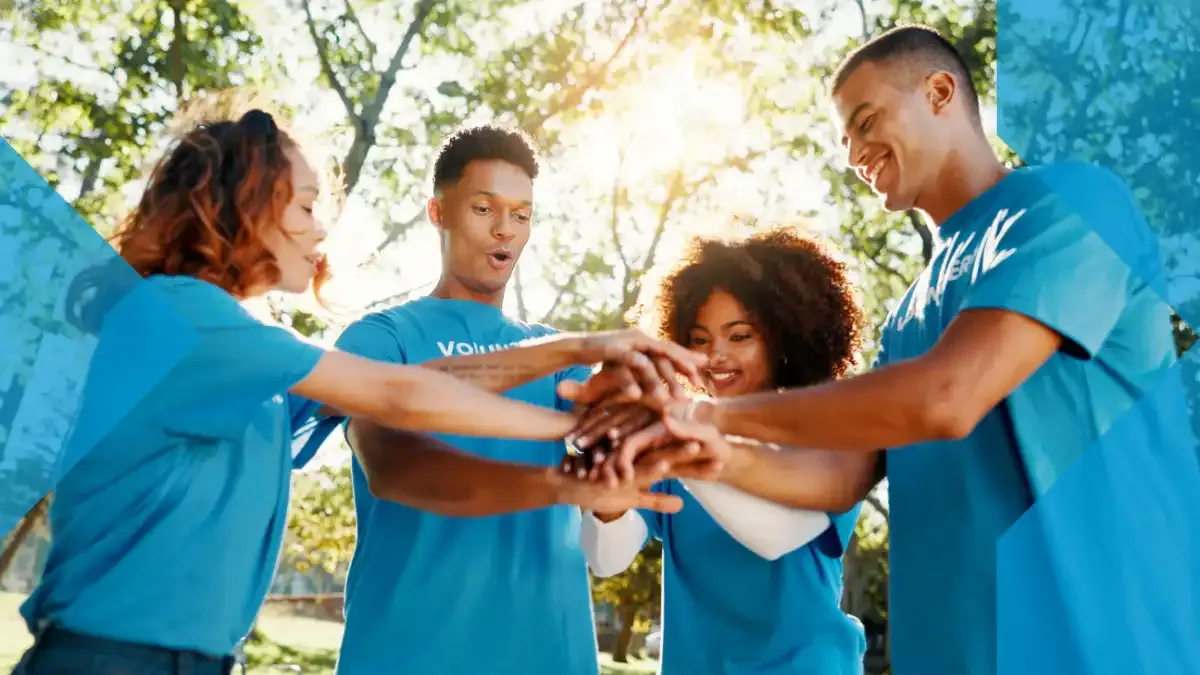
Every year on World NGO Day (February 27), communities across the world pause to recognize something easy to overlook in daily life: the steady, practical work of NGOs, nonprofits, and local community organizations that help families get through challenges and keep moving forward. Their impact is rarely abstract. It is a school meal that helps a child stay focused, a mobile clinic that reaches a remote area, a shelter that offers safety, or a community program that helps someone rebuild after a crisis.
This is a values-led moment, not a branding moment. It is about respect and visibility. Civil society organizations often step in where systems are stretched, where emergencies interrupt daily life, or where certain groups are not fully included. The United Nations notes that civil society organizations perform humanitarian functions, bring citizens’ concerns to governments, help monitor policies, and support the implementation of international agreements, including Agenda 2030 and the Sustainable Development Goals.
What follows is a global tribute that explains why this work matters, how it shows up in real life, and what it can look like across Africa, Asia, Latin America, and Europe. It ends with a simple invitation: appreciate, volunteer, or support local initiatives in ways that make sense for your life.
The term “NGO” is used widely, but definitions help keep the conversation clear. The United Nations describes a civil society organization (CSO) or non-governmental organization (NGO) as a non-profit, voluntary citizens’ group organized on a local, national, or international level. That definition sounds straightforward, yet it captures why NGOs can be so effective.
First, it highlights that NGO work begins with civic purpose. People choose to organize around a problem that deserves attention: education access, health services, clean water, disability inclusion, legal aid, disaster response, protection for survivors of violence, and countless others.
Second, it emphasizes community connection. Many trusted organizations are rooted in lived reality. They are led by people who speak the local language, understand cultural norms, and know what the community needs today, not only what looks good on paper.
Finally, it reminds us that “NGO” is not one single category. There are large international NGOs with global reach, and there are small neighborhood associations run by volunteers. Both can be life-changing. The scale differs, but the logic is the same: people organizing to protect dignity and expand opportunity.
World NGO Day is observed annually on February 27 as a global awareness day honoring NGOs, nonprofits, and the people behind them. According to the official World NGO Day website, the day was first recognized in 2010 by 12 countries of the Baltic Sea NGO Forum, endorsed again in Berlin in 2012, and officially launched globally in 2014 in Helsinki, Finland. The same source notes that the European External Action Service has marked the day annually with official statements since 2017.
In practical terms, that history matters because it shows the day was created to do two things at once:
So, when World NGO Day comes around, it is not only symbolic. It is a reminder that civil society is part of what holds communities together. It gives public recognition to work that often happens behind the scenes and invites people to see NGOs not as “extra” helpers but as essential partners in community well-being.
When people think of NGOs, they often picture emergencies: earthquakes, conflict, or epidemics. That visibility is real, but it is only part of the story. A large amount of civil society work is about everyday continuity.
Here is what that can look like in real life:
This kind of work is not always dramatic, but it is deeply stabilizing. It reduces stress, prevents small problems from turning into long-term crises, and protects dignity in moments when people feel invisible.
It is important to say this clearly: NGOs should not replace functioning public systems. But in many places, they can do certain things faster, closer to the community, or with more flexibility than larger institutions.
They Reach People Who Are Hard to Reach
Many organizations design services for people who are overlooked: rural communities, people without formal documentation, survivors of violence, people with disabilities, migrants, or communities affected by stigma. NGOs often build trust through local staff, local language, and consistent presence.
They Adapt Quickly When Needs Change
When a crisis hits, needs shift quickly. Community groups can pivot from tutoring to food support, from in-person services to hotlines, or from school support to temporary shelter coordination. Flexibility is often one of their strongest strengths.
They Help People Navigate Systems
Sometimes the barrier is not the absence of services, but confusion and complexity. NGOs can act as bridges: helping people understand eligibility, fill out forms, access healthcare, claim rights, or safely report abuse.
They Create “Social Infrastructure”
Beyond services, NGOs create connections. A youth program can keep teens engaged and safe. A women’s cooperative can strengthen livelihoods and confidence. A community health initiative can improve prevention and early action. These are not “extras”. They are foundational.
NGOs work in thousands of fields, but their impact often appears through outcomes nearly everyone recognizes.
Resilience: Helping People Recover, Rebuild, and Stay Steady
Resilience is what happens when a family can return to work after a flood, when a community can access basic services after displacement, or when local support prevents a temporary disruption from becoming permanent.
In many emergencies, humanitarian organizations provide critical services quickly, including medical support and logistics. Médecins Sans Frontières (Doctors Without Borders) describes principles in its charter such as providing assistance to populations in distress without discrimination, and observing neutrality, impartiality, and independence in the exercise of its functions. Those principles help explain why many humanitarian NGOs can operate in complex contexts while focusing on needs.
Resilience also includes long-term work that is less visible: preparedness, psychosocial support, legal identity support, livelihood training, and rebuilding local systems so communities are not forced to start from zero after every shock.
Education: Protecting Future Options
Education-focused organizations do more than build schools. They reduce barriers that keep children out of classrooms: transportation issues, disability access, language support, safety concerns, and the simple reality that some families cannot afford learning materials.
BRAC’s education work in Bangladesh is an example of a long-term approach. BRAC reports that its schools reach children who might otherwise be left behind, including girls, children with disabilities, and children from ethnic minority groups, and that more than 14.7 million children have graduated from its pre-primary and primary schools.
The deeper point is not one organization’s scale. It is what education support protects: future options, household stability, and community opportunity.
Health: Making Care Reachable
Health NGOs cover maternal care, vaccinations, HIV and chronic disease support, mental health services, and emergency surgery. Their value is often most visible during crises, but their long-term role can be equally important.
The International Committee of the Red Cross explains its protection work as advocating for the rights of people affected by conflict under the Geneva Conventions and providing life-saving assistance, while also striving to minimize vulnerabilities and promote respect for international humanitarian law. In practice, this can translate into safer access to care, support for medical services, and protection of civilians.
Inclusion: Ensuring Support Reaches Everyone
Inclusion means services are designed with people, not only for people. It includes disability access, gender-based violence prevention, child protection, migrant support, and services for communities that are rural, stigmatized, or hard to reach.
The United Nations notes that civil society organizations bring citizens’ concerns to governments, serve as early warning mechanisms, provide analysis and expertise, and help monitor and implement international agreements. Inclusion is not only service delivery. It is dignity, voice, and rights in practice.
Social Cohesion: Strengthening Trust Inside Communities
In polarized contexts, community organizations often build bridges: between neighbors, generations, or communities and institutions. This can be fragile work, but it is essential.
On the occasion of World NGO Day, the European External Action Service has highlighted the role of civil society organizations in protecting and fighting for fundamental rights, democracy, and sustainable development, while also warning that civil society actors face attempts to constrain their work. Recognizing that reality is part of what makes World NGO Day meaningful.
To keep this article global, the examples below focus on common impact areas, not rankings. They show how needs differ and how solutions adapt.
Africa: Health Access, Local Resilience, and Community-Led Development
Across many African contexts, NGOs work alongside local health systems to expand access, especially in hard-to-reach areas. This can include maternal care, vaccination support, nutrition programs, and response during outbreaks or displacement.
At the same time, community-led development groups often focus on longer arcs: education continuity, women’s economic participation, climate resilience, and youth opportunity. The strongest work frequently looks less like “aid” and more like a partnership. It is shaped with local leadership and community priorities.
A helpful way to understand this is to think in layers: immediate support (food, health, safety), stabilizing support (school continuity, livelihoods), and long-term resilience (systems, preparedness, and local leadership).
Asia: Education at Scale, Disaster Readiness, and Long-Term Community Support
In Asia, NGO ecosystems range from major service networks to neighborhood-level associations. Education remains one of the most visible areas, especially where programs help families overcome barriers like cost, access, or safety.
Disaster readiness is also crucial in many Asian countries affected by typhoons, floods, earthquakes, and heat events. When disruption hits, NGOs often coordinate shelter, safe water, health support, and recovery services with local authorities and volunteer networks. In the months after a crisis, community organizations can also help people replace documents, reconnect children to schooling, and regain income.
Latin America: Community Protection, Health Access, and Youth Opportunity
Across Latin America, many organizations work on violence prevention, protection services, migrant support, food security, and youth opportunity. In some contexts, civil society provides essential support when public systems are overwhelmed, especially during rapid economic change.
This work often combines prevention and response. Prevention looks like mentorship programs, safe spaces, community sports and arts, job-readiness support, and mental health services. Response looks like shelters, legal aid, emergency health care, and family support networks.
Europe: Inclusion, Support for Vulnerable Groups, and Protecting Civic Space
In Europe, NGOs work across disability inclusion, refugee support, mental health, domestic violence services, and poverty reduction. In practical terms, they often help people navigate services, access support, and stay connected to the community.
At the same time, protecting civic space matters. Public statements from European institutions on this day have emphasized the importance of civil society and the reality that many organizations and human rights defenders face pressure and threats in different contexts.
One reason NGOs matter is simple: they are made of people.
This work can be emotionally demanding and under-resourced, yet people keep showing up. On World NGO Day, it is worth naming that truth clearly. The impact people experience on the ground is the sum of thousands of decisions made with care, even when conditions are difficult.
If you want to recognize this day in a meaningful way, there are three practical directions: appreciate, volunteer, and support. Each can be done with respect for your time and budget.
Appreciate: Make the Invisible Visible
Appreciation sustains morale and helps good work stay visible. It also helps organizations build trust in communities that may be skeptical, tired, or overwhelmed.
Volunteer: Give Skills, Not Only Hours
Many organizations need skills as much as they need time:
Even one hour a month can matter if it is consistent. In many cases, predictability is more valuable than intensity.
Support: Choose Something Reliable and Practical
Support can be financial, but it can also be in-kind or network-based:
The most useful support is often the least complicated to receive. When in doubt, ask what is needed right now.
For diaspora communities, this day can feel personal. Many people living abroad support not only their families, but also the local initiatives that keep those families safe: community clinics, education programs, food support networks, and protection services.
When cross-border support is part of your daily life, consistency and reliability matter. Tools that reduce friction can help families stay steady through the year. In practice, services like sendvalu can support that steady rhythm through money transfers, mobile top-ups, and digital gift cards, allowing people to respond to real needs without unnecessary delay. We at sendvalu is not what makes community work possible, but it can make everyday support easier for families who already carry a lot.
If you choose to mark this day, keep it simple. Appreciate the people doing the quiet work. Offer a skill. Support a local initiative. Share credible information. Small actions, repeated over time, are how communities keep moving. That is the spirit of World NGO Day.
Sources:
United Nations – The UN and Civil Society
United Nations – Civil Society Unit, About Us
World NGO Day – Official Homepage
World NGO Day – About World NGO Day
World NGO Day – NGO & Nonprofit Celebration Toolkit
International Committee of the Red Cross – Protection: Upholding the rights of people affected by conflict
Médecins Sans Frontières – The MSF Charter (MSF UK)
Bangladesh Rehabilitation Assistance Committee (BRAC) – Education in Bangladesh: Delivering inclusive, joyful learning so every child can thrive
Customer reviews
Why do they trust us? Read what our customers say about sendvalu.


Rated Best Over 5174 Reviews
