Share support and care effortlessly around the world
You are back online
Share support and care effortlessly around the world
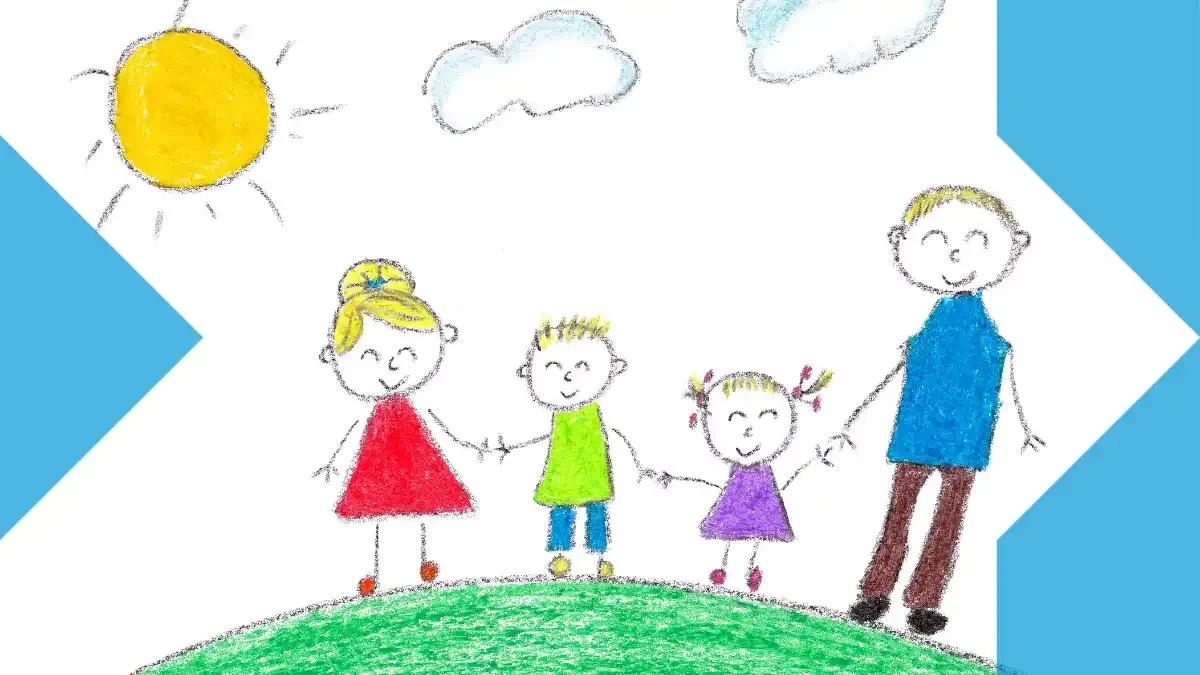
Every year on 15 May, the International Day of Families invites the world to reflect on what families need to grow, care, adapt, and stay connected. Established by the United Nations General Assembly in 1993 and first observed in 1994, the day raises awareness of the social, economic, and demographic changes that shape family life. In 2026, its theme, Families, Inequalities and Child Wellbeing, places special attention on how unequal access to income, education, health care, social protection, and opportunity affects families and children around the world.
That theme feels especially relevant today because family life is no longer defined solely by a single household, a single city, or a shared daily routine. Millions of families now live across borders, time zones, and economic realities. Some relatives migrate for work or study. Others move because of conflict, climate pressure, family reunification, or the search for better opportunities. Many parents, children, siblings, spouses, and grandparents remain deeply connected even when they no longer share the same physical space.
This is one of the defining realities of modern family life. Distance changes how families organize care, but it does not erase care itself. In many cases, it makes care more intentional. A phone call becomes part of the weekly routine. A money transfer helps cover school costs, rent, food, or medicine. A mobile top-up keeps communication open. A digital gift card marks a birthday, a holiday, or a simple gesture of affection. Emotional and practical support begin to work together, helping families stay present in each other’s lives even when they are far apart.
For the International Day of Families 2026, this is an important message: families are adapting, but not always under equal conditions. Some have reliable internet access, a stable income, and access to safe financial tools. Others face high costs, weak infrastructure, uncertain work, or complicated migration rules. Understanding these differences helps us see why family support across distance is both a personal story and a global issue.
The International Day of Families was created to highlight the importance of families in society and to promote a deeper understanding of the challenges that affect them. It is not only a symbolic date. It is also an opportunity to examine how public policies, economic systems, migration trends, technology, and social change influence everyday family life.
Families are often the first place where care is organized. They support children, older relatives, people with disabilities, young adults starting their careers, and relatives facing illness, financial stress, or sudden emergencies. They pass on culture, language, habits, values, and emotional security. They also absorb pressure when social systems are weak or when economic conditions become difficult.
The International Day of Families theme 2026 focuses on inequalities and child wellbeing. This matters because inequality does not affect families in abstract ways. It appears in daily choices. Can a child stay in school? Can a parent afford health care? Can a family pay for reliable internet? Can relatives living abroad send help safely and affordably? Can caregivers balance paid work with family responsibilities?
When inequalities grow, families often carry more weight. Parents may work longer hours. Migrants may feel a stronger financial responsibility toward relatives back home. Older family members may become primary caregivers for children whose parents live abroad. Young people may contribute emotional, linguistic, or practical support earlier than expected. These patterns show that family well-being depends not only on love and commitment, but also on access, stability, and opportunity.
Migration has become a central part of family life worldwide. According to recent UN data, there were more than 300 million international migrants globally in 2024. That means millions of households have at least one family member living in another country, while many others experience internal migration from rural areas to cities or from one region to another.
People move for many reasons. Some migrate to find better employment, support relatives financially, or access education. Others move because of marriage, family reunification, professional opportunities, instability, environmental challenges, or personal safety. In many cases, migration is not only an individual decision. It is a family strategy. One person’s move can support the well-being of many others.
This is why discussions about migration and families need to go beyond statistics. Behind every migration figure, there may be a parent trying to support children, a daughter sending money for medical care, a sibling helping with tuition, or a spouse working abroad while planning for reunification. Migration changes the structure of everyday family life, but it often strengthens the sense of responsibility between relatives.
For transnational families, ordinary routines become more complex. Birthdays may be celebrated through video calls. Important decisions may happen across several messaging apps. Financial planning may include expenses in two countries. Family care may involve grandparents, cousins, neighbors, and paid caregivers. A mother abroad may send money for school supplies while helping with homework through a screen. A son may top up his father’s phone so they can speak more often. A sibling may organize emergency support from another country.
Modern families are no less connected because they live apart. Many are connected in new ways, through a combination of communication, planning, financial support, cultural continuity, and emotional presence.
When loved ones live apart, family routines do not disappear. They are reorganized. A family that once shared meals may now share photos of meals. A parent who once walked a child to school may now ask for updates through voice notes. A son who once visited his mother after work may now send money for groceries and call every Sunday. A sister who cannot attend a family celebration may send a gift card or help pay for the event. These actions may seem small, but they become part of how affection is expressed across distance.
One of the most important changes is the way families combine emotional and practical care. Emotional care includes listening, encouraging, advising, checking in, remembering important dates, and being available during difficult moments. Practical care includes sending money, arranging transport, paying bills, helping with documents, topping up mobile credit, or coordinating support with relatives nearby.
For many transnational families, these two forms of care are inseparable. A money transfer is not only financial. It can also say, I remembered, I am here, I know this matters. A phone top-up is not only mobile credit. It can help keep a parent reachable, allow a child to continue online learning, or make it easier for relatives to communicate during an emergency.
At sendvalu, we see this connection every day through the different ways people support loved ones from abroad. A transfer, a mobile top-up, or a gift card may look like a simple transaction, but for many families, it is part of a larger routine of care, responsibility, and closeness.
Distance also changes timing. Families living in different countries may plan conversations around work shifts, school schedules, and time zones. They may develop rituals, such as weekend video calls, morning voice messages, or monthly support transfers. These rituals create continuity. They remind families that connection is not only about physical presence, but also about consistency.
The emotional side of family separation deserves special attention. Living apart from loved ones can bring opportunity, but it can also bring loneliness, guilt, worry, and pressure. Parents abroad may miss milestones in their children’s lives. Children may struggle with separation from one or both parents. Older relatives may feel proud of a migrant family member, while also feeling their absence deeply.
This emotional reality is especially important when children are involved. Research on family separation connected to migration has shown that separation can be associated with stress, anxiety, sadness, sleep difficulties, and emotional challenges in children, particularly when the separation is sudden, prolonged, or linked to insecurity. The experience is not the same for every family, but the emotional impact should not be minimized.
At the same time, families often find creative ways to protect emotional bonds. Technology has made it easier to maintain regular contact, share daily details, and participate in family life from afar. Video calls, voice notes, family group chats, shared photos, and digital celebrations help relatives remain part of each other’s routines.
Still, technology does not solve everything. Not every family has stable internet, affordable data, digital literacy, or access to reliable devices. Older relatives may need help using apps. Children may depend on adults to coordinate calls. Families in low-income settings may have to choose between connectivity and other urgent needs.
This is why the International Day of Families 2026 theme is so relevant. Inequality affects not only income but also the ability to stay emotionally connected. A family with reliable digital access can maintain closeness more easily than a family where calls are expensive, the internet is unstable, or devices are shared by many people.
Emotional support across distance requires intention. It means asking how someone is, not only what they need. It means remembering that practical help is strongest when it is accompanied by care, listening, and respect. It also means recognizing that the person who migrated may need support, too. Migrants often carry emotional responsibilities in both directions: they support family back home while also adapting to life in a new country.
Practical support is one of the most visible ways families stay connected across distance. It can include money transfers, mobile top-ups, digital gift cards, help with school fees, health expenses, rent, food, transportation, or emergency needs. For many families, this support is not occasional. It is part of the household budget.
The scale of remittances shows how important this form of care has become. The World Bank estimated that remittance flows to low- and middle-income countries reached hundreds of billions of dollars in 2024, exceeding other major forms of external finance. These flows are often sent by individual workers, migrants, and diaspora communities who contribute to the well-being of relatives in their countries of origin.
This is where remittances and family support become deeply connected. Remittances are not only economic data. They can represent school continuity, medical treatment, food security, home improvements, small business support, or the ability to respond to emergencies. In many families, they are a bridge between the opportunities created by migration and the needs that remain at home.
At sendvalu, we understand practical support as part of family connection. When people use our services to send money, recharge a phone, or share a digital gift, they are often helping loved ones manage daily life with more confidence. That support may be planned, such as a monthly transfer, or spontaneous, such as help during an unexpected situation.
Practical support also depends on accessibility. Fees, delivery options, speed, transparency, and digital usability matter because they affect how much help reaches the recipient and how easily the sender can act. A person supporting relatives abroad may not only ask how much to send, but also how quickly it arrives, how the recipient receives it, and whether the process is clear.
For families under financial pressure, these details are not technical. They are personal. Lower costs, reliable service, and convenient payout options can make support feel less stressful. When families are separated by distance, practical tools need to be simple enough to fit into real life.
Digital technology has transformed how families maintain relationships across distance. A generation ago, international calls could be expensive and limited. Today, many families use messaging apps, video calls, online banking, digital wallets, and mobile services to coordinate care in real time.
This shift has changed expectations. Families can now share small moments instantly: a child’s school achievement, a doctor’s update, a photo from a celebration, or a quick voice note before work. These details help preserve emotional closeness. They make distance feel less absolute.
For family support across distance, digital tools also make practical help faster. A person abroad can send money, top up mobile credit, or purchase a digital gift without needing to visit a physical location. This is especially useful for busy workers, parents, students, and migrants who manage responsibilities across countries.
However, digital connection is not equally available to everyone. According to the International Telecommunication Union, billions of people were online in 2024, but billions were still offline. This digital divide affects families directly. Without affordable internet, reliable devices, or digital skills, people may struggle to communicate, access services, or receive support.
Digital tools are most powerful when they are inclusive. They should make life easier, not more complicated. They should help families act quickly, understand their options, and stay connected with confidence. At sendvalu, we aim to support this need by offering different ways to send value across distance, including money transfers, mobile top-ups, and digital gift cards, depending on destination and availability.
The International Day of Families theme 2026 highlights child wellbeing because children often feel the effects of inequality most strongly. A family’s economic stability can influence nutrition, housing, schooling, health care, emotional security, and access to technology. When families are separated by migration, these factors may become even more complex.
Children in transnational families may benefit from remittances, better educational opportunities, and stronger household resources. They may also experience emotional strain if separation is long, communication is irregular, or caregiving arrangements are unstable. The outcome depends on many factors, including the child’s age, the quality of communication, the reliability of local caregivers, the reason for migration, and the level of support available.
This is why family-oriented policies matter. Social protection, affordable childcare, decent work, parental leave, access to health care, education, and digital inclusion can all strengthen families. These policies reduce the pressure placed only on individual relatives. They also help children grow in more stable conditions.
At the same time, families themselves remain powerful support systems. Migrant parents may work hard to provide opportunities. Grandparents may offer daily care. Siblings may help with homework, translation, or technology. Extended families may coordinate responsibilities across countries. These networks show resilience, but resilience should not be romanticized. Families should not have to carry every burden alone.
The 2026 theme reminds us that family wellbeing is connected to fairness. When systems are more inclusive, families have more room to care, grow, and plan for the future. When inequality deepens, family support becomes more urgent but also more difficult.
One of the clearest lessons from today’s family realities is that support is rarely just one thing. A family may need money, but also conversation. A child may need school fees, but also reassurance. An older parent may need medicine, but also regular calls. A migrant worker may need to send help, but also feel emotionally supported by the people back home.
This is why modern family support often works as a combination of actions. A transfer can help with expenses. A mobile top-up can keep communication open. A gift can mark an emotional occasion. A message can reduce loneliness. A shared plan can help everyone feel more secure.
For International Day of Families 2026, this broader understanding of care is essential. Families are not only economic units. They are emotional, cultural, practical, and intergenerational networks. When loved ones live apart, each form of support reinforces the others.
This is also where companies serving migrant and diaspora communities have a responsibility to communicate carefully. Support should not be presented as only a product or a transaction. It should be understood as part of people’s real lives. At sendvalu, we believe our role is to make practical support easier while respecting the emotional meaning behind every action. Families send value because they care, remember, and want to stay close.
Families living apart often develop their own rhythms, but a few habits can make long-distance connections more stable and meaningful.
These habits do not remove the challenges of distance, but they can make family life feel more connected, organized, and humane.
The International Day of Families reminds us that family life is constantly changing, but the need for care remains. In 2026, that message is especially important. The theme of families, inequalities, and child wellbeing asks the world to look honestly at the pressures families face and the conditions they need to thrive.
Modern families may live in different countries, speak through screens, share responsibilities across generations, and organize support through digital tools. Their routines may look different from the past, but their purpose is familiar: to protect, encourage, provide, celebrate, and remain present.
Distance can make family life more complicated. It can bring emotional strain, logistical challenges, and financial pressure. But it can also reveal the strength of commitment. A call made after a long shift, a transfer sent on time, a mobile top-up that keeps someone connected, or a gift sent for a special day can all become part of how families care for one another.
For transnational families, support is not only about being physically near. It is about showing up in the ways that are possible, useful, and meaningful. As migration, technology, and inequality continue to shape family life, the challenge is to make support more accessible, more inclusive, and more human.
That is the deeper meaning of the International Day of Families 2026. It is a moment to recognize the families who adapt across distance, the children whose well-being depends on stable support, and the everyday acts of care that keep loved ones connected, even when life takes them far from one another.
Wherever family support is needed, having clear information makes every gesture easier. At sendvalu, we help people stay connected through practical options such as money transfers, mobile top-ups, digital gift cards, and other services available in their country. To check what you can send and which services are available in each location, visit our Destination Countries page and choose the place that matters to you.
Sources:
United Nations – International Day of Families
United Nations Department of Economic and Social Affairs – International Day of Families 2026 to Highlight Inequalities and Child Wellbeing
United Nations Department of Economic and Social Affairs – UN DESA Policy Brief No. 176: Family-Oriented Policies and Programmes in Voluntary National Reviews (2020-2024)
United Nations Department of Economic and Social Affairs – International Migrant Stock 2024: Key Facts and Figures
Organization for Economic Co-operation and Development – International Migration Outlook 2024
World Bank Blogs – In 2024, remittance flows to low- and middle-income countries are expected to reach $685 billion, larger than FDI and ODA combined
The International Telecommunication Union – Internet use continues to grow, but universality remains elusive, especially in low-income regions
White Rose Research Online – Care, Inequalities and Wellbeing Among Transnational Families in Europe, Report of the CareWell comparative, intergenerational study in Spain, France, Sweden and UK
ScienceDirect – Mental Health Implications of Family Separation Associated with Migration Policies in the United States
Customer reviews
Why do they trust us? Read what our customers say about sendvalu.


Rated Best Over 5174 Reviews
