Share support and care effortlessly around the world
You are back online
Share support and care effortlessly around the world
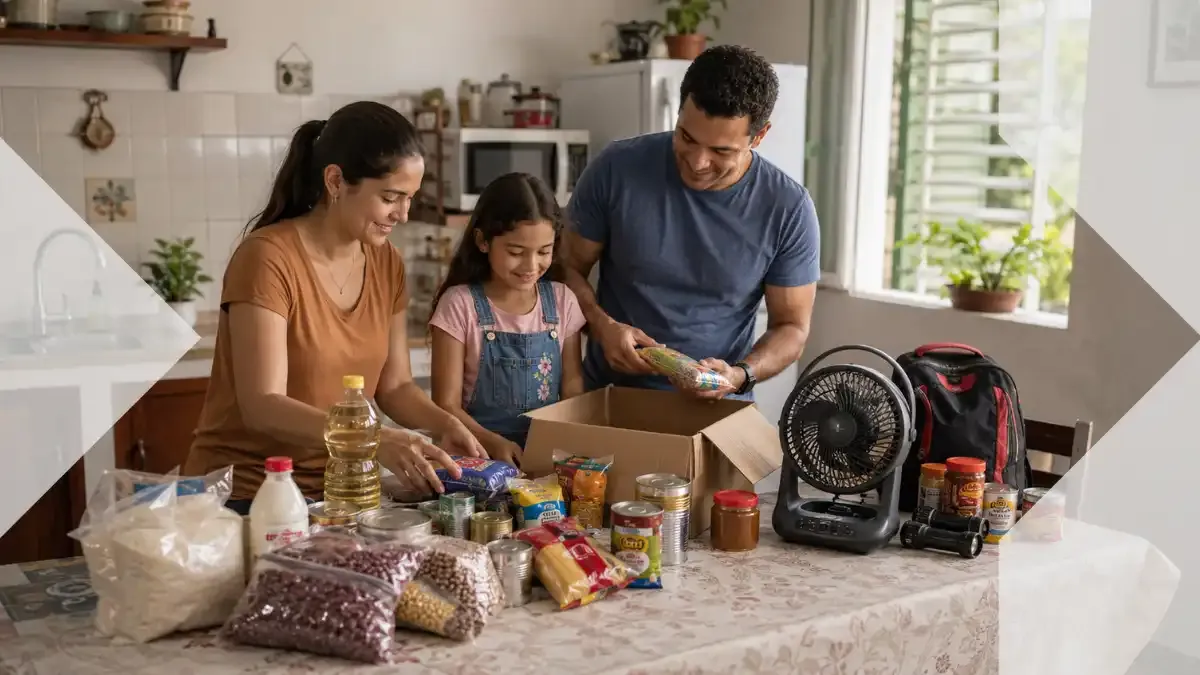
Families separated by borders often look for practical ways to remain present in one another’s daily lives. Learning how to send food baskets to Cuba gives people abroad a direct way to help relatives with groceries, household staples, and selected products delivered to their home. Instead of asking the recipient to organize every purchase after receiving financial support, the sender can choose a prepared combination that responds to a clear need. This turns care into something visible, useful, and closely connected to everyday family life.
Food support can be especially meaningful when availability, purchasing power, transport, or personal circumstances make routine shopping more difficult. The World Food Programme’s current strategic planning for Cuba identifies ongoing food security and nutrition challenges linked to inflation, reduced purchasing power, economic pressures, and repeated exposure to natural hazards. These conditions do not affect every household in the same way, but they help explain why relatives abroad often combine different forms of assistance. A food basket can become one part of that wider support, alongside money transfers, mobile top-ups, and digital gift cards.
Living abroad changes how people participate in their families' everyday routines. A daughter may not be able to accompany an older parent to the market, a brother may be unable to help carry groceries home, and a grandparent may miss preparing a meal with younger relatives. Digital services cannot replace those moments, but they can make practical support easier to organize across distance. They allow a person abroad to respond to a household need without waiting for the next visit or arranging an international parcel independently.
Choosing to send food baskets to Cuba can be useful when the family has already identified food or household products as a priority. The sender knows what has been ordered, while the recipient knows that specific items are expected to arrive. This can reduce uncertainty for both sides and make the gesture feel more personal than a general payment. It also helps relatives coordinate support around an immediate purpose, such as restocking basic foods, preparing for a family gathering, or helping during a more difficult week.
The emotional meaning of food also matters. Groceries are not only products on a list, because they become breakfasts, shared lunches, coffee with a neighbor, or a familiar dinner at the end of the day. A basket containing rice, beans, oil, meat, milk, or coffee can contribute to ordinary routines that help a household feel more stable. When sent thoughtfully, the delivery carries both practical value and a message of continued closeness.
A food basket delivery service allows someone abroad to choose a prearranged combination of products for a recipient in another country. In Cuba, these selections are often described as food combos, and they may include staples, proteins, dairy products, snacks, drinks, fruit, root vegetables, or household essentials. The customer selects a prepared option instead of building and shipping a parcel item by item. Local fulfilment and home delivery then form part of the service shown during the ordering process.
This model can make it easier to send food baskets to Cuba because it removes several steps associated with international parcel shipping. The sender does not need to buy each product separately, find suitable packaging, compare courier rules, or manage customs documentation alone. Instead, the available combinations, prices, delivery conditions, and estimated times are presented before payment. That clearer process can help customers compare options and decide what best fits the recipient’s needs.
Food baskets are not all designed for the same situation. Some are built around snacks and small gifts, while others focus on pantry staples or larger family quantities. The current catalogue also includes combinations with fresh and shelf-stable products, giving customers different levels of coverage. The newest option, the Emergency Kit, expands the concept further by combining selected food items with practical household support.
The current product view shows a broad catalogue for Cuba, with 41 products indicated and visible examples ranging from compact combinations to substantial family selections. Prices shown in the provided catalogue begin at approximately €33 and extend to almost €170, although live prices, brands, availability, and delivery areas can change. The products are presented for home delivery, with several listings showing estimated delivery within 24 to 48 hours. Customers should always review the current product page and checkout information before completing an order.
Through sendvalu, the visible selection can be grouped into four useful categories: snacks and gift-style combinations, everyday food combos, larger household selections, and the new Emergency Kit. These categories help customers begin with the purpose of the order rather than simply comparing prices. A family celebration, a routine grocery need, and an urgent situation require different types of support. Looking at the basket’s purpose first makes the final choice more relevant.
The catalogue includes names such as Combo Merienda Familiar, Combo Regalo, Combo Básico, Combo Balance, Combo El Más Completo, Selección Esencial, Mesa Selecta, Reserva Nutritiva, Selección Suprema Familiar, and Selección Tradición. Each one combines products differently, so the most expensive basket is not automatically the best match for every recipient. A smaller selection may answer a precise need more effectively, while a larger one may be better for several people sharing the same home. The aim is to choose a combination that will actually be used and appreciated.
The Combo Merienda Familiar is designed around snacks, sweets, drinks, and products that can be shared at home. The displayed description includes items such as biscuits, chocolates, soft drinks, juice, yoghurt, condensed milk, and other small treats. This makes it suitable for families with children, informal gatherings, birthdays, or moments when the sender wants to add something enjoyable to everyday support. It is less focused on building several full meals and more focused on creating a shared experience.
The Combo Regalo follows a similar gift-oriented idea but includes a broader mixture of practical and pleasant items. Its displayed contents combine preserves, beverages, coffee, toiletries, and a small cleaning product. This makes the basket appropriate when the sender wants the delivery to feel thoughtful without being purely decorative. It can mark a special occasion while still giving the household products that have an immediate use.
These options show that food delivery does not always need to be linked to urgency. Sometimes the objective is to celebrate, surprise, or recreate the feeling of arriving at a relative’s home with something to share. A well-chosen snack or gift combo can help families maintain traditions even when they live in different countries. The practical value remains important, but the emotional value is equally visible.
The Combo Básico is centred on familiar pantry and meal ingredients. The displayed contents include rice, cooking oil, sausages, tomato paste, spaghetti, coditos pasta, sugar, coffee, and hamburgers. This type of selection can support several ordinary meals without moving into the price range of the larger family baskets. It may suit a smaller household or work as a supplementary order when some products are already available at home.
The Combo Balance adds a wider protein component while keeping several everyday staples. Its visible list includes chicken, rice, oil, sausages, tomato paste, spaghetti, coditos, beef ham, and other practical ingredients. This combination may appeal to a family that wants more variety for lunch and dinner while still receiving basic pantry products. The balance between proteins and dry goods makes it flexible for different meal plans.
The Combo El Más Completo expands the selection further with chicken, rice, black beans, sausages, coffee, evaporated milk, sugar, beef ham, and powdered milk. It combines grains, proteins, and dairy products in a way that can support breakfasts as well as main meals. For households that need a broader restocking but do not require one of the largest premium selections, it offers a middle position. It can also help a sender cover several categories in one order rather than arranging separate purchases.
Selección Esencial combines staple ingredients such as rice, beans, spaghetti, pork, oil, and coffee. Its contents are familiar, versatile, and suitable for several traditional meals. This makes it a practical choice for customers who want a compact but substantial delivery. It focuses on products that can be incorporated into different recipes instead of concentrating on snacks or single-use items.
Mesa Selecta provides a more varied household assortment. The visible contents include chicken, eggs, beef ham, black beans, powdered milk, and cheese, alongside other products. This range can help a family plan meals across different times of day, including breakfast and dinner. The combination of proteins, dairy, and staples makes it useful for homes with several people and varied preferences.
Reserva Nutritiva includes pork, chicken, picadillo, rice, beans, oil, coffee, and powdered milk. The mixture of fresh or frozen proteins with shelf-stable products can help a household balance immediate cooking with pantry storage. It may be especially suitable for families that want familiar meal ingredients in useful quantities. The name reflects its focus on a substantial reserve rather than a small gift or snack delivery.
Selección Suprema Familiar moves toward a larger family-oriented order. Its displayed contents include pork, chicken, beef ham, rice, beans, oil, tomato puree, root vegetables, fruit, and additional products. This variety can offer more flexibility for a household preparing meals for several people. It also combines pantry basics with fresh elements, which can make the delivery feel more complete.
Selección Tradición is positioned at the upper end of the visible price range and includes a broad assortment of familiar ingredients. The displayed list contains rice, pork, beans, powdered milk, fruit, beef ham, onions, garlic paste, vinegar, malanga, and other products. This basket may appeal to customers who want to support several meals built around traditional flavours and household routines. Its size makes it more appropriate for larger families or for occasions when a comprehensive order is preferred.
The newest product in the selection is the Emergency Kit, and it deserves special attention because its purpose differs from the other baskets. It is designed for moments when preparedness, practicality, and quick support matter more than variety or celebration. The kit combines food that does not require refrigeration before opening with selected household items that can be useful during disruptions. This makes it a focused response rather than a conventional weekly grocery basket.
The Emergency Kit contains one rechargeable fan, one pack of ten wipes, one 140 g can of tuna, two cans of beef ham, one 390 g can of condensed milk, two 400 g cans of tomato paste, one can of evaporated milk, and one 500 ml jar of mayonnaise. The product description explains that brands may vary according to availability. It also indicates estimated delivery within 24 to 48 hours. Customers should still check the live listing, because availability and delivery conditions may change.
For people who need to send food baskets to Cuba during a difficult moment, the Emergency Kit provides a more targeted form of help. The rechargeable fan can offer practical support during electricity disruptions or periods of high heat, while the wipes add a simple hygiene item. The canned and shelf-stable foods can be stored and used without immediate dependence on refrigeration. Together, the products are intended to provide a little more readiness and reassurance at home.
The kit should not be viewed as a replacement for a large grocery order. Its strength is the combination of compact food support and a practical household device. A family that needs rice, beans, meat, and several days of meal ingredients may be better served by another basket, while a household facing an immediate disruption may value the Emergency Kit more. Understanding this distinction helps the sender choose according to the actual situation.
The service is structured around a guided digital ordering process. The customer selects Cuba as the destination, reviews the available food baskets, chooses a product, enters the recipient’s information, and completes payment using the options shown. The order is then prepared for home delivery within the area supported by that product. Account updates and confirmations help the sender follow the process.
Customers who send food baskets to Cuba should pay close attention to the recipient’s full name, telephone number, province, municipality, street address, and nearby reference points. Accurate details can help the delivery team locate the home and contact the recipient when necessary. Cuban addresses may require local landmarks or additional explanations that are not obvious to someone living abroad. Confirming the information directly with the recipient before checkout can prevent avoidable delays.
Delivery coverage can vary by product and over time. The official launch information identified initial availability in Havana, Villa Clara, and Cienfuegos, while individual product listings may apply more limited conditions, including delivery only in Havana. Customers should therefore rely on the availability shown for the selected basket during the live ordering process. A product displayed in the general catalogue may not necessarily be available in every municipality or province.
Several visible listings show estimated delivery within 24 to 48 hours, but this should be treated as an estimate rather than an unconditional guarantee. Timing can depend on stock, recipient confirmation, local delivery conditions, address accuracy, and operational availability. The recipient should know that a delivery is expected, especially when the basket includes perishable or frozen products. Clear communication between sender and recipient supports a smoother experience.
The best starting point is the number of people living in the household. A compact combo may be enough for one person, a couple, or a small supplementary delivery, while a family with children or several adults may need a broader selection. Quantity alone does not determine usefulness, because storage space, cooking facilities, and individual preferences also matter. A smaller but carefully chosen basket can sometimes offer more value than a larger assortment containing items the family rarely uses.
The second question is what the household already has. A quick conversation may reveal that rice and beans are available but oil, milk, meat, or coffee are running low. It may also show that the family needs products for a specific meal rather than a general assortment. This information helps the sender compare baskets based on gaps instead of duplicating supplies.
The purpose of the delivery should also shape the decision. Snack and gift combinations suit birthdays, visits, family moments, or small surprises, while the everyday combos are better for routine meals. Larger selections work well when several people share the home or when the sender wants to provide broader coverage in a single order. The Emergency Kit is the clearest option when the priority is preparedness and immediate practical support.
Dietary needs should be checked before payment. Some baskets contain several meat products, dairy, sugar, canned foods, or ingredients that may not suit every recipient. Allergies, medical diets, religious preferences, chewing difficulties, and food preparation limitations can all influence what is appropriate. Product substitutions may also occur, so the current description should be read carefully.
Budget remains important, but it should be considered alongside purpose. The visible catalogue provides options from approximately €33 to almost €170, allowing customers to choose different levels of support. A lower-priced basket can still be meaningful when it matches a specific household need. In some cases, regular smaller deliveries may be more useful than one large order made less frequently.
Food baskets and money transfers address different needs, so neither option is automatically better in every situation. A basket gives the sender clarity because specific products have been selected for delivery. It can also reduce the recipient’s need to search for those items locally or organize transport from a shop. This makes direct food support particularly useful when groceries are the identified priority.
A money transfer gives the recipient greater flexibility. Funds may be needed for medicine, transport, utilities, repairs, school expenses, or products that are not included in the available baskets. The recipient can decide how to divide the support according to circumstances that may change from one week to the next. That flexibility is valuable when the sender does not know which expense is most urgent.
Families deciding whether to send food baskets to Cuba or transfer money should consider the purpose, urgency, and preferences of the recipient. When the need is clearly related to groceries, direct delivery may be the most practical choice. When several expenses are competing for attention, flexible funds may be more suitable. Many households may benefit from combining both services at different times rather than treating them as mutually exclusive.
The food basket service fits naturally into a broader approach to cross-border support. A family may use money transfers for monthly expenses, food delivery for a specific household need, and a mobile top-up to coordinate the arrival of the order. A digital gift card can offer another form of targeted choice for a special date or personal purchase. The right mix depends on what will make the greatest difference at that moment.
A money transfer can help relatives manage expenses that cannot be covered by a prepared basket. The current Cuba service page presents receipt methods that may include home delivery, debit card, and prepaid card, depending on availability and transaction conditions. This gives the recipient more freedom to prioritize costs that are difficult for the sender to predict. Customers should confirm the live delivery options before completing the transfer.
A mobile top-up helps families maintain communication across distance. Phone credit can be used for calls, messages, and mobile internet, making it easier to confirm addresses, coordinate deliveries, or simply stay in touch. Communication can be particularly valuable when household needs change quickly. Through sendvalu, customers can also review mobile top-up options for Cuba as a separate form of practical support.
Digital gift cards provide another way to give the recipient a degree of choice. They may be suitable for birthdays, family celebrations, or occasions when the sender wants to offer something more personal than general financial support. Availability, redemption conditions, and participating services can differ, so the specific card details should be checked before purchase. A gift card works best when it matches how and where the recipient can realistically use it.
These services can complement one another when used thoughtfully. Food baskets address tangible household products, transfers provide flexibility, top-ups maintain communication, and gift cards create targeted choice. The objective is not to use every service at once, but to select the one that responds most clearly to the family’s current situation. Practical support becomes more meaningful when it is coordinated with the people receiving it.
To send food baskets to Cuba is to turn care into something that can be unpacked, prepared, shared, and used at home. The current catalogue offers choices for different budgets and purposes, from snacks and everyday staples to larger family selections. The new Emergency Kit adds an important option for moments when preparedness and practical household support are the priority. Its combination of shelf-stable food, wipes, and a rechargeable fan makes it distinct from the more traditional food combos.
The food basket service is most effective when the sender begins with a conversation and chooses according to the recipient’s real needs. Through sendvalu, customers can combine direct grocery delivery with money transfers for flexible expenses, mobile top-ups for communication, and digital gift cards for personal choice. These services do not replace being physically present, but they can help families remain involved in one another’s lives across distance. Thoughtful support is not only about what is sent, but also about how closely it matches the realities of the household receiving it.
Customer reviews
Why do they trust us? Read what our customers say about sendvalu.


Rated Best Over 5174 Reviews
