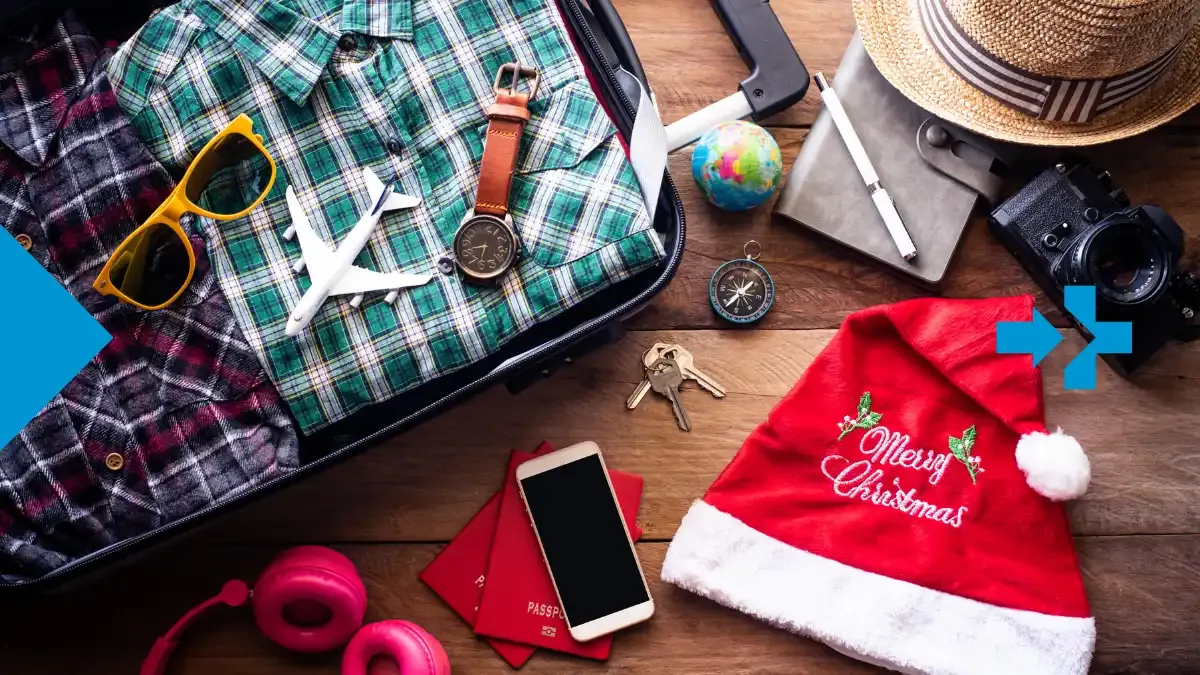
As the festive season nears, millions around the world journey home to celebrate with loved ones. This homecoming tradition spans many cultures, from the Chunyun Spring Festival in China, the world’s largest annual human migration, with billions of trips, to “mudik” in Indonesia, when 146 million people travel back to hometowns for Eid al-Fitr (the festival marking the end of Ramadan). In Western countries, holidays like Christmas (from Old English Cristes mæsse, meaning “Christ’s Mass”) and Thanksgiving see packed roads and airports as families reunite. Other cultures have similar gatherings: for example, Diwali, India’s Festival of Lights, symbolizing the victory of good over evil, and Eid al-Fitr (Arabic for “Festival of Breaking the Fast” at the end of Ramadan), both draw loved ones together. Despite different origins and histories, these holidays share a theme of family, gratitude, and togetherness. Many people even support far-away family with gifts and remittances; over 200 million migrants globally send money to about 800 million relatives each year, embodying the spirit of caring across distances.
Yet, traveling during the holidays can be challenging. High demand leads to crowded terminals, traffic jams, and financial strain if you’re not prepared. The good news is that with careful planning and smart money strategies, you can make your journey home smoother and your celebrations stress-free. Below, we share travel planning tips, holiday budgeting advice, and safe money-carrying tips to ensure your holiday reunion is joyful and secure.
Travel Planning Tips for the Holiday Season
Holiday travel often means higher prices and busier transport than usual. For example, nearly half of Americans plan to travel during the season, and air travel hit record highs in recent years (up ~7% year-over-year in 2024). More travelers mean packed flights, congested highways, and potential delays. To navigate the rush, consider these tips for smart holiday travel planning:
- Book flights and tickets early: Airfare and train/bus tickets tend to spike in price as December approaches. A 2024 analysis found that in the U.S., airline ticket prices were lowest about 45 days before departure for Thanksgiving trips, and booking flights by mid-October secured the best Christmas airfare deals. In general, start looking well in advance; seats fill up quickly for the holidays. If you haven’t booked yet, do it as soon as possible to lock in a reasonable fare and your preferred dates.
- Avoid peak travel days: Whenever possible, plan your travel on off-peak days. The busiest (and most expensive) days to travel are usually right before and after the holiday itself. For instance, December 22 and 29 are often the most expensive days for Christmas flights. Flying on the holiday (such as on Christmas Day or New Year’s Eve) can be cheaper and less crowded, since fewer people choose those days. If your schedule allows, a redeye flight on Christmas night or an early morning drive could save you both money and hassle.
- Give yourself extra time (especially on roads): Heavy traffic and winter weather can turn a normally short trip into a marathon. In many countries, highways see significantly longer travel times during the holidays. For example, U.S. data showed road trips took about 25% longer on average around December 22–28. Plan for delays: map out alternative routes, and leave earlier than usual to account for congestion. It’s wise to schedule pit stops or buffer time in your itinerary so that an unexpected jam or detour won’t spoil your plans.
- Prepare for winter weather: If you’re traveling in winter conditions, stay informed about the forecast and be ready for snow or ice. Storms can disrupt flights and make driving hazardous. Pack essentials like a travel umbrella, warm layers, and, if driving, an emergency kit (with a flashlight, blanket, first aid, etc.). In snowy regions, have tire chains or ensure your vehicle is winterized. Even for air travel, a bit of prep (like downloading your airline’s app for alerts, or having an alternate route in mind) can help you adapt if weather causes cancellations or delays.
- Double-check documents and insurance: Nothing derails travel faster than realizing your ID has expired, or you lack a required document. Verify your passport, visas, or photo ID well before departure, especially for international trips. It’s also wise to consider travel insurance for added protection. Remember that your regular health insurance may not cover you abroad, and winter travel has its risks. An insurance plan can cover emergencies like trip cancellations, lost luggage, or medical care if needed. Similarly, if renting a car or skiing on vacation, check coverage for accidents. It’s better to be safe when venturing far from home during a hectic season.
By planning ahead on logistics, you can minimize travel-day stress. Book early, pick the right travel days, and prepare for obstacles, and then you’ll be much more likely to arrive home on time and in good spirits for the celebrations.
Budgeting Tips for Holiday Expenses
Coming home for the holidays is heartwarming, but it can also hit the wallet hard. Between buying gifts, paying for travel, hosting meals, and attending events, costs add up quickly. The key is to budget proactively so January doesn’t bring a financial hangover. Here are some tips to manage holiday expenses smartly:
- Plan a holistic holiday budget: Take a broad look at all your holiday-related spending, not just gifts. Often, people budget for presents but forget other costs. List out everything you anticipate spending money on, flights or gas, gifts, special meals, decorations, charitable donations, even that new holiday outfit or greeting cards. “Think about your holistic holiday spending, meaning include everything around the holidays, not just presents,” an expert advises. By writing it all down, you won’t be caught off guard by hidden expenses. Assign a realistic amount to each category and sum it up to create your overall holiday budget.
- Make lists and stick to them: Once you have a budget, create shopping lists for gifts and groceries, and a checklist for travel bookings. Having a written plan helps you avoid the costly trap of last-minute scrambling. The more you can plan (and stick to your list) instead of wandering stores or websites aimlessly, the better you’ll stay on budget. Before you leave home, know exactly what you need to buy (and for whom) so you’re less tempted by impulse purchases. A list for gift-buying or party prep can be your financial lifeline amid all the holiday sales and hype.
- Hunt for deals, but wisely: The holiday season is also big for sales (Black Friday, Cyber Monday, travel deals, etc.), which can be great for your budget if used smartly. Take advantage of discounts on things you already plan to purchase. For example, if you know you need a plane ticket or a certain gift, watch for holiday promotions on those items. Stack savings if possible (use coupon codes, cash-back apps, or loyalty points). However, don’t get carried away by every sale sign. Remember, “you’re only saving money if you buy things you would have bought anyway,” as one shopping expert cautions. In other words, a 50% off deal is no license to overspend on unplanned items. Also, be a savvy shopper: retailers sometimes mark up prices to fake a “deal.” Track prices on big-ticket items over time to ensure the discount is genuine. By being strategic, you can snag real bargains and avoid marketing traps.
- Travel cost-savings tips: If travel is one of your biggest holiday expenses, look for ways to trim it. Be flexible with your itinerary; flying a day earlier or returning a day later might significantly cut the fare (and as mentioned, flying on the holiday can save money). Consider alternate airports or routes if they are cheaper and convenient. Use any travel rewards you’ve accrued: holiday time is great for cashing in airline miles or hotel points to offset costs. Also, compare transportation options (maybe a train or bus is cheaper than a last-minute flight). And always budget for baggage fees, airport parking, pet boarding, or other travel add-ons so they don’t blindside you.
- Get creative and prioritize: If your budget is tight, remember that the holidays don’t have to be about extravagant spending. Focus on what matters most to your family. Maybe choose quality time over tons of gifts, for instance, suggest a family Secret Santa to reduce the number of presents each person has to buy, or give homemade gifts with sentimental value. Potluck dinners can spread out food costs among relatives. Look for free or low-cost holiday activities (a local tree-lighting ceremony or movie night at home) instead of pricey events. By scaling back on non-essentials, you free up funds for the things that truly bring joy, like that plane ticket to see your parents or a meaningful gift for your child.
Setting a budget and being mindful of spending will let you enjoy the season without financial stress. It’s all about balance: celebrate and indulge a bit, but within limits you decided on beforehand. Come New Year, you’ll be glad you did.
Safe Money-Carrying and Spending Tips
Traveling for the holidays often involves carrying money or gifts, which can make you a target for theft or loss if you’re not careful. Whether you’re bringing cash as a gift, carrying travel money for your trip, or just managing your finances on the go, it’s important to handle your money safely. Crowded airports, train stations, and holiday markets can be prime spots for pickpockets, and traveling abroad adds another layer of financial risk (like lost cards or fraud). Use these tips to protect your money and ensure you arrive with everything intact:
- Carry only the cash you need: It’s generally unwise to travel with large amounts of cash. Experts note that while some cash is necessary for tips or emergencies, carrying big sums is not recommended in any country. Instead, plan to use credit or debit cards at your destination, or withdraw cash in smaller amounts as needed. If you do need to carry significant cash (for example, bringing gift money to family), never keep it all in one place. Split up your money into a few portions, perhaps some in your wallet, some in a separate pouch, and more in your carry-on or with a trusted companion. This way, if one stash is lost or stolen, you haven’t lost everything.
- Use a money belt or hidden pouch: One of the best ways to keep cash and important documents safe is to conceal them on your person. Travel security pouches (like flat money belts worn under your clothes, or neck wallets tucked under a shirt) make it much harder for thieves to access your valuables. Keep passports, extra cash, and cards in these hidden carriers rather than in back pockets or easy-to-open bags. Never carry your wallet in your back pocket; that’s the first place pickpockets will check. If you carry a purse or backpack, wear it cross-body and keep it in front of you, especially in crowds. The goal is to make it as difficult as possible for anyone to snatch your money without you noticing.
- Stay alert and keep a low profile: Holiday travel crowds can be hectic and distracting, exactly what thieves prey on. Be vigilant in crowded places like airports, bus stations, and markets. Seasoned pickpockets can spot distracted travelers who are busy looking at departure boards or taking photos. Pay attention to your surroundings when handling money: for instance, don’t count a wad of cash in public or flash expensive gadgets. It’s wise to blend in and not advertise your valuables. Remember, thieves target travelers because they know tourists carry money. By staying aware (and perhaps looking a bit less like an overt tourist), you reduce the chance of being singled out.
- Secure your funds at your destination: When you arrive, don’t carry all your cash on you each day. Lock up what you won’t need immediately. Most hotels or family homes have a safe or at least hidden spots; use them. One recommendation is to keep only that day’s local currency, plus one bank card and your ID, in your money belt or wallet, and leave the rest of your cash/cards locked in a hotel safe. If you’re staying somewhere without a safe, get creative: hide cash in less obvious places (inside a sock in your luggage, between book pages, etc.). Also, if traveling with others, consider distributing cash among adults so no one person carries the whole amount. These steps ensure that even if a robbery occurs, the thief won’t find all your money in one go.
- Consider digital money transfers and cards: In today’s connected world, you have alternatives to carrying physical cash. Credit and debit cards (especially those with no foreign transaction fees) are safer to carry than large amounts of paper money; if lost, they can be cancelled, and many have fraud protection. Just remember to inform your bank of your travel dates to avoid accidental blocks. Mobile payment apps and digital wallets can also be handy for splitting bills or paying without cash. If your goal is to bring a monetary gift or support family, think about sending money online instead of in person. Modern remittance services (for example, sendvalu, our global money transfer platform) let you quickly and securely send funds to over 140 countries. The money can be deposited into a bank account or even delivered in cash to your family, often with lower fees than traditional methods. Using a reputable money transfer service means you don’t have to travel with a pocket full of cash; you can arrive empty-handed and know that your loved ones can receive the money safely at home. This reduces risk and hassle, and it’s as easy as a few taps on an app.
In summary, protecting your holiday money comes down to planning and prudence. Take only what you need, hide it well, and stay watchful. By using the tools available, from money belts to mobile transfers, you can greatly cut the risk of theft or loss. The peace of mind is worth it, letting you focus on the reunion and festivities instead of worrying about your wallet.
Bringing It All Together
The holidays should be a time of joy, not anxiety. By following these travel, budgeting, and money safety tips, you’ll set yourself up for a smooth and happy homecoming. Plan for travel crowds and costs, keep your spending in check, and guard your money so you can arrive safely with gifts (and bank account) intact. With a bit of preparation, you can avoid common holiday pitfalls, no missed flights, no overspent credit cards, no lost wallets, and truly enjoy the precious time with family and friends. Here’s to safe travels, smart planning, and a holiday season filled with warmth and cheer.
Happy holidays, and have a wonderful reunion at home!
If you are celebrating from abroad this year and want to explore the best ways to stay connected with the people who matter most, you can always check the full list of countries where we offer services. It is a simple way to see how you can support your family, no matter where they live or celebrate.
Sources:
Reuters – How China's Lunar New Year travel rush is world's biggest annual migration
Arab News – Indonesia braces for annual Eid exodus as 146 million travel home
Stillman Translations – The stories behind English words used at Christmas
Wikipedia – Diwali
NBC New York – What is Eid al-Fitr and how do Muslims celebrate the Islamic holiday?
sendvalu Blog – Gratitude and Smart Sending: Thanksgiving, Black Friday & Beyond
The Zebra – Safe Travel Tips During the Holidays
Allianz Global Assistance – Our 2024 Holiday Travel Guide
Allianz Global Assistance – How to Hide Money and Valuables While Traveling
Arizona’s Family – Here’s your guide to holiday spending in 2025
AAA Connect – Traveling with Money: International Travel Tips