Share support and care effortlessly around the world
You are back online
Share support and care effortlessly around the world
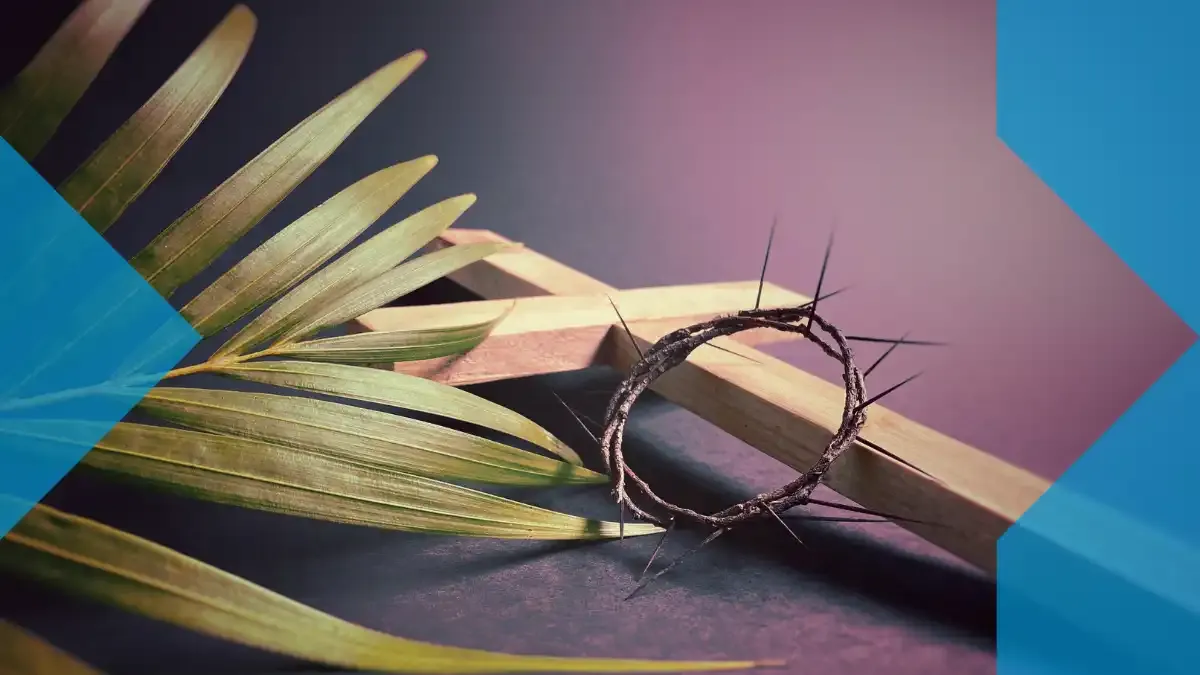
In 2026, Holy Week begins on Sunday, March 29, with Palm Sunday and ends on Sunday, April 5, with Easter Sunday. For millions of Christians around the world, these sacred days are a time of reflection, prayer, mourning, and celebration, but they also affect travel, family routines, public schedules, and financial planning. For people living abroad, that makes Holy Week not only a meaningful religious season but also an important moment to send support early and help loved ones prepare without stress.
For many families, Holy Week is one of the most meaningful moments of the year. It is a sacred season marked by prayer, memory, family gatherings, processions, traditional food, and a different rhythm of daily life. For those living abroad, it can also be a time when support sent home becomes especially important.
At sendvalu, we see this every year. When an important religious holiday approaches, people want to make sure their loved ones have what they need in time. That might mean helping with transport, groceries, special family meals, church-related expenses, or simply making the week easier to navigate. But when people wait too long, holiday closures, reduced business days, and heavier movement can increase the risk of delays.
That is why planning matters. Holy Week is deeply spiritual, but it also has a practical side. Knowing when it happens, how it is observed, and why the busiest days can affect transfers helps families prepare better and avoid unnecessary stress.
Holy Week is the final week of Lent and the most sacred period in the Christian calendar. It commemorates the final week of Jesus’ life, His suffering, His death, His burial, and His resurrection. For Christians worldwide, it is the high point of the liturgical year, a time of reflection, fasting, prayer, and worship.
It begins on Palm Sunday, which marks Jesus’ entry into Jerusalem, and ends on Easter Sunday, also known as Resurrection Sunday. Between those two days comes a powerful sequence of remembrance that many communities observe with great intensity.
This is one reason the week moves everyday life so deeply in many countries. It is not just a church observance. It can influence travel, public schedules, food traditions, family gatherings, and even how cities move and sound. For people abroad sending help home, that practical impact matters just as much as the spiritual meaning.
Understanding the story of Holy Week helps explain why the season carries so much emotional and practical weight.
Palm Sunday
Palm Sunday commemorates Jesus’ entry into Jerusalem. In many places, it includes palm blessings, church services, and opening processions that set the tone for the week.
Holy Thursday
Holy Thursday, also known as Maundy Thursday, commemorates the Last Supper and the institution of the Eucharist. It is closely associated with humility, service, and remembrance.
Good Friday
Good Friday is the most solemn day for many believers. It marks the crucifixion and death of Jesus. Churches and communities often observe it through silence, prayer, Stations of the Cross, and mourning processions.
Holy Saturday
Holy Saturday is a day of vigil and waiting. The mood is quieter, suspended between sorrow and hope, often culminating in the Easter Vigil after dark.
Easter Sunday
Easter Sunday celebrates the resurrection of Jesus. After the solemnity of the previous days, it becomes a moment of joy, renewal, and family celebration.
For families planning expenses during the season, this timeline is important. Needs usually arise before or during the key days, not afterward. That is why sending early is often the smartest decision.
In many countries, Semana Santa is experienced with all the senses. The smell of incense fills the air. Drums and brass bands create a solemn rhythm. Candlelight reflects on ornate images and embroidered garments. Crowds fall silent as religious floats pass through narrow streets. Then a song, a prayer, or a church bell breaks the stillness.
That sensory power is one reason Semana Santa leaves such a strong impression. It is not simply observed from a distance. It is felt physically and emotionally. In many cities, these days bring together faith, art, memory, and community identity in a way that few other moments of the year can match.
This same intensity is also why the week can affect routines. Streets may close for processions, travel volumes increase, shops work different hours, and some financial services slow down around holidays. For anyone sending funds home, understanding that atmosphere is part of planning wisely.
One of the most visible features of Semana Santa is the procession. Across parts of Latin America and Europe, religious brotherhoods organize public acts of devotion with floats depicting scenes of the Passion of Christ. In some places, members of these groups walk as penitents in robes and traditional garments, carrying candles or crosses in long, solemn routes.
Music also plays a major role. The sound of drums, bugles, hymns, and funeral marches often shapes the emotional character of the day. Food is another important part of the season. Many countries have dishes and desserts tied specifically to the week, linking family memory to religious observance.
This is where the season becomes especially vivid. The smell of incense, the low beat of drums, the visual drama of processions, the silence before a float turns a corner, and the shared table afterward all help bring the experience to life.
From the countries most relevant to our audiences, several stand out for the strength and visibility of their Holy Week traditions.
Philippines
In the Philippines, Holy Week is one of the most important religious periods of the year. Traditions such as Visita Iglesia, Pabasa ng Pasyon, Palm Sunday processions, Via Crucis, Cenaculo, and Easter gatherings remain deeply rooted in Filipino life. Official local and national sources continue to describe these practices as central to communal and family observance.
This makes the week especially important for Filipinos living abroad. Many families prepare in advance for church activities, meals, transport, and family reunions. Support sent early can help loved ones face the week more calmly.
Colombia
In Colombia, the city of Popayán is one of the best-known examples of Semana Santa in Latin America. According to UNESCO and Colombia Travel, its processions are among the oldest in the country and are recognized as Intangible Cultural Heritage. They are known for their solemnity, candlelight, incense, and ornate pasos carried through the historic center.
Colombia shows how Semana Santa can be both spiritual and deeply cultural. The week is not only a religious observance. It is also part of local identity and a time when families and communities make a special effort to participate.
Peru
In Peru, Holy Week is celebrated across the country, but Ayacucho is one of the clearest examples of its importance. Peru’s official tourism information describes Ayacucho as one of the country’s most significant Holy Week destinations, with multiple days of processions, reenactments, liturgies, and strong public participation.
This is a useful reminder that in some places the holiday is not limited to a single day or service. It unfolds across an entire week, which means families often begin preparing before the main days arrive.
Dominican Republic
In the Dominican Republic, Semana Santa strongly shapes family and social life. Official tourism information notes that Dominicans commonly mark the season with church attendance on Good Friday and Holy Saturday, family time, and traditional foods such as habichuelas con dulce.
This combination of devotion, family gatherings, and heavier domestic movement makes timing especially important for anyone sending support from abroad.
Mexico
In Mexico, Semana Santa is one of the most meaningful travel and cultural periods of the year. Official tourism information highlights how the season is lived through traditions, religious celebrations, local gastronomy, and family experiences across many parts of the country. In some destinations, it is defined by processions and reenactments. In others, by church observance, food, and travel.
This broad national observance is exactly why people often need to plan early. A transfer sent too close to the holiday can arrive later than expected, just when family expenses are rising.
Brazil
In Brazil, Holy Week remains one of the most important moments in the Christian calendar, especially in religious destinations and historically Catholic regions. Brazil’s Ministry of Tourism has repeatedly highlighted the scale of Semana Santa travel, pilgrimages, celebrations of faith, and public reenactments during the period.
Even where traditions vary by region, the wider pattern is clear: the holiday changes travel flows, family routines, and spending needs. For people abroad supporting relatives in Brazil, this can make early planning especially valuable.
Spain
Spain is also one of the classic references for Semana Santa, especially in cities such as Seville, Málaga, Zamora, Valladolid, and Murcia, all known for their historic processions and religious brotherhoods. Official tourism sources highlight Seville for its major brotherhood routes and the Madrugá, Málaga for its large tronos procesionales, Zamora for its solemn atmosphere and Gregorian chants, Valladolid for its renowned religious sculpture, and Murcia for its distinctive baroque character. It remains an important example of how processions, sacred music, penitents, and public devotion shape the atmosphere of the week.
Even so, for this topic, the key lesson is less about one country in particular and more about how the season affects timing across many destinations. It is also important to remember that not all Christians live the week through large public processions. In many Evangelical traditions, the focus is less on street observance and more on special worship services centered on the death and resurrection of Christ. This distinction matters because it reminds us that while customs differ, the spiritual importance of the season remains strong across many communities.
The biggest issue is timing. Banks and payment systems often depend on business days, internal cut-off times, and settlement schedules. If a transfer is sent too late in the week, it may not begin processing until the next working day. If that next working day comes after Good Friday, a weekend, or Easter Monday, the wait can become longer than expected.
This is particularly important in Europe, where the European Central Bank lists Good Friday and Easter Monday among the TARGET closing days. Banco de España also explains that standard transfers are shaped by cut-off times, meaning a payment sent after a bank’s daily limit may only start moving on the following business day.
That does not mean delays always happen. It means the risk becomes easier to avoid when people plan.
The beauty of Holy Week lies in the way it brings together faith, memory, community, and family. It is a season of solemn reflection, but also one of preparation. People travel home, gather around special meals, take part in church services, and make space for traditions that have been passed down for generations.
At sendvalu, we know that support from abroad often becomes part of that preparation. Sending early can help your loved ones avoid stress and focus on what matters most during the season. Whether they need money transfers, mobile top-ups, or digital gift cards, planning can make a real difference. To see where we can help you support family and friends, you can also check our destination countries.
Sources:
Encyclopaedia Britannica – Holy Week
Vatican News – Pope: Like Lazarus, may we hear the Lord's call to new life
European Central Bank – ECB Public Holidays
City Government of Naga – Holy Week Traditions and Their Significance
UNESCO Intangible Cultural Heritage – Holy Week Processions in Popayán
Colombia Travel – Holy Week in Popayán
Peru.info – Holy Week: This Is How the Religious Festivity Is Celebrated in Our Country
GoDominicanRepublic – About Our Country
Visit Mexico – Vive la Semana Santa en México
Ministério do Turismo do Brasil – Celebrações Devem Reunir Mais de 2 Milhões de Fiéis Pelo País no Feriado
Customer reviews
Why do they trust us? Read what our customers say about sendvalu.


Rated Best Over 5174 Reviews
