Share support and care effortlessly around the world
You are back online
Share support and care effortlessly around the world
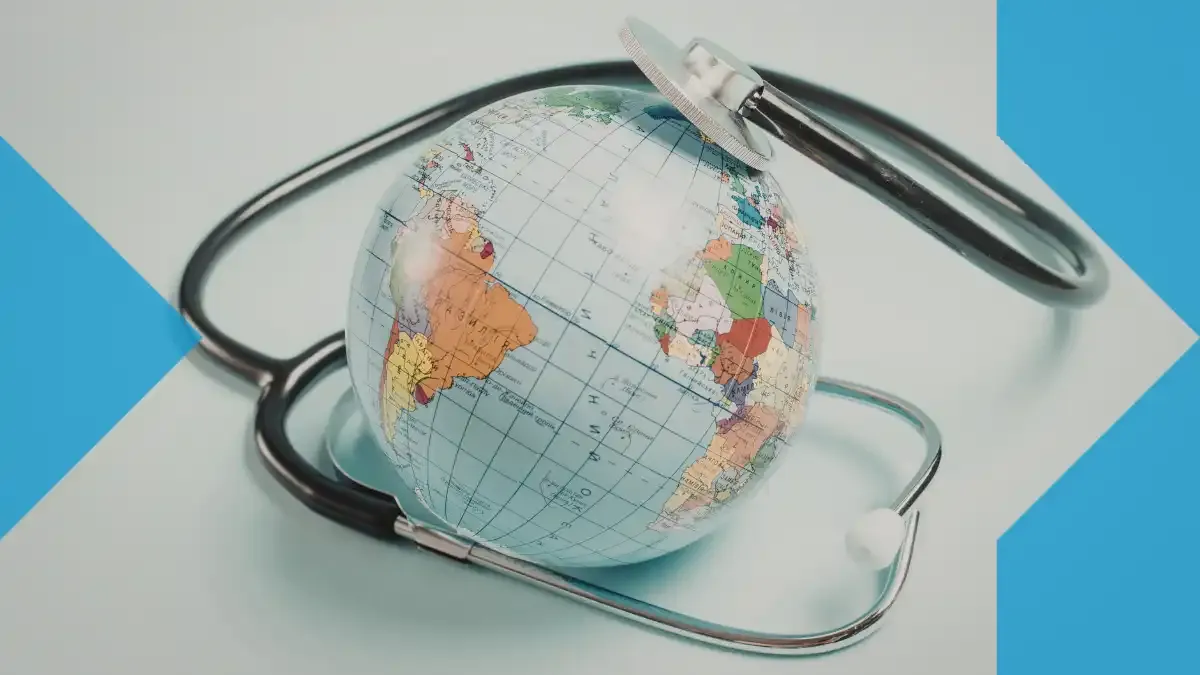
Every year on April 7, World Health Day draws attention to the ways people, communities, and institutions can protect health and well-being. In 2026, the World Health Organization is marking the day with the theme “Together for health. Stand with science,” and using it to launch a broader campaign focused on scientific collaboration and the One Health approach.
At sendvalu, we see that message reflected in everyday family life. Across borders, care often takes simple, practical forms: a message sent at the right moment, a call after a medical appointment, help with a routine bill, a reminder not to skip medication, or timely support that reduces stress during a difficult week. When loved ones live in different countries, these gestures become even more meaningful. Distance changes the form of care, but it does not reduce its value.
That matters because health is not only about treatment when something goes wrong. It is also about prevention, routine, emotional stability, and the ability to make good decisions without feeling overwhelmed. WHO continues to stress that access, continuity of care, self-care, and financial protection all play a central role in healthier lives, while recent WHO and World Bank reporting shows that billions of people still lack full coverage of essential services and many still face hardship from out-of-pocket health spending.
When people think about helping relatives abroad, they often think first about emergencies. Emergencies matter, of course, but much of real family care happens long before a crisis. A consistent check-in can help someone feel less alone. A clear plan can reduce confusion. A small financial cushion can make routine care easier to manage.
That is important because social connection itself is linked to better health and well-being. WHO and CDC both note that meaningful social ties can support mental health, help people manage stress, and contribute to healthier lives overall. In other words, being present for someone emotionally is not separate from health. It is part of it.
For families living across borders, this is an encouraging reminder. You do not need to be physically present every day to have a positive impact. Practical, regular support can still strengthen health and well-being in ways that feel immediate and real.
One of the most effective habits is also one of the easiest to overlook: regular contact.
Not every call needs to be long or deeply emotional. Sometimes the most supportive question is the simplest one: How are you feeling today? Have you eaten? Did you rest? Did you go to your appointment? These small moments help loved ones feel seen, and they may also reveal concerns before they become bigger problems.
CDC guidance on social connection emphasizes that small acts of reaching out can build supportive relationships and make a real difference over time. That makes consistency more important than perfection. A short call every Sunday or a daily voice note may do more for someone’s peace of mind than a single long conversation once a month.
A useful approach is to make check-ins routine rather than reactive. Families often communicate more during moments of stress, but regular connection creates stability before stress rises. It also makes it easier for relatives to speak honestly when something changes.
Routine needs often shape health and well-being more than dramatic events do. That includes taking medication on time, maintaining follow-up care, eating regularly, sleeping well, and staying connected to trusted local providers.
WHO’s work on self-care highlights the importance of evidence-based tools, services, and behaviors that help people manage their health more effectively in everyday life. Families abroad can support those routines in very practical ways.
For example, relatives can help by:
These actions may sound ordinary, but that is exactly the point. Good care is often built on ordinary habits maintained over time.
This is also where services that reduce practical friction can matter. When families need to send timely support for everyday needs, we want to be one of the tools that helps them respond quickly, whether the goal is financial support, a mobile top-up to keep communication open, or another form of assistance that helps daily life run more smoothly.
One of the biggest burdens families face is uncertainty. When a relative feels unwell, stress rises quickly if no one knows what to do next, who to call, or how to cover immediate costs. Planning cannot remove every challenge, but it can reduce panic.
This matters because financial pressure and access barriers remain part of the global health picture. WHO and the World Bank reported in late 2025 that although service coverage has improved over time, large gaps remain, and out-of-pocket costs still cause hardship for many people worldwide.
Families can prepare in ways that are simple and realistic:
A basic family plan can include:
This kind of planning is especially useful for older adults, relatives living alone, or households managing chronic conditions. It turns support from an improvised reaction into a calmer process.
Not every health-related expense is a major bill. Sometimes the issue is transport to a clinic, a prescription refill, basic nutrition, or simply staying connected by phone. Small gaps can still create large stress when money is tight.
Evidence from migration and remittance research has long shown that remittances can help households improve nutrition, access health care, and support everyday well-being, even if outcomes vary by context. IOM has also highlighted the role remittances can play in reducing vulnerability and supporting basic needs.
That is why timely support matters so much. It is not always about a major emergency transfer. Sometimes it is about preserving normal life, and that can make all the difference for health and well-being.
Health support from afar often begins with communication. If a relative cannot easily receive calls or messages, it becomes harder to check in, share information, coordinate appointments, or respond quickly to change.
That is one reason digital connection has become part of modern family care. Staying reachable supports emotional reassurance, better coordination, and faster decision-making. For global families, helping someone keep their phone active can be a simple but meaningful way to protect health and well-being, especially when regular contact is part of their daily support system. CDC and WHO both connect a stronger social connection with reduced stress and better overall outcomes.
In practical terms, this may mean making sure parents or grandparents always have mobile credit, enough data, or a charged device nearby. It is a small detail, but small details often shape whether help feels close or far away.
That is also why we know some families value having several ways to support loved ones through one platform. With sendvalu, people can combine different kinds of support, from money transfers to mobile top-ups, depending on what the moment requires.
Good intentions can sometimes create pressure. When families worry, they may call too often, speak too urgently, or push loved ones in ways that create tension. Support works best when it protects dignity as well as safety.
A better approach is collaborative care. Instead of assuming, ask. Instead of directing, discuss. Instead of focusing only on what could go wrong, focus on what helps the person feel more secure and more prepared.
For example, rather than saying, “You need to do this now,” it may help to say, “Would it make things easier if we planned this together?” That kind of tone encourages honesty. It also makes it more likely that relatives will share concerns early, which is often when support is most useful.
Families often think practical help and emotional help are separate. In reality, they reinforce each other.
A relative who feels supported may sleep better, feel less isolated, and cope more effectively with uncertainty. A person who knows someone will check in after an appointment may feel less anxious beforehand. A family that talks openly about routine needs may be better able to act quickly when something changes.
WHO has increasingly highlighted social connection as a health issue in its own right, noting its links to mental and physical health across the lifespan. That makes reassurance more than a nice extra. It is one of the ways families actively support health and well-being.
This can be especially important for migrants and transnational families, who may carry emotional strain linked to distance, responsibility, and uncertainty. In that context, calm and dependable communication becomes a form of care.
If you want to make your support more useful, focus on habits that are realistic to sustain.
You can:
These actions align well with the spirit of World Health Day 2026. Science matters at the global level, but it also matters in daily life through better information, better planning, and better choices. Families may not run health systems, but they do shape everyday conditions that influence health and well-being.
The 2026 World Health Day theme, “Together for health. Stand with science,” is a call for international cooperation and evidence-based action. Yet it also offers a more personal reminder: health is supported through relationships, routines, trust, and timely decisions.
For families living across borders, care often looks quiet. It is the call that comes at the right time. It is the money sent before a routine expense becomes a crisis. It is the top-up that keeps communication open. It is the calm planning that lowers stress for everyone involved.
In that sense, supporting health and well-being from afar is not about replacing doctors or formal care. It is about making everyday life more manageable, more connected, and a little less stressful for the people who matter most. When families need a practical way to turn care into action, we want sendvalu to be part of that support, helping loved ones stay connected and better prepared for everyday needs.
At sendvalu, we believe support across borders should feel practical, timely, and reassuring. That is why we help families find the services that best match each destination and each need, from money transfers to mobile top-ups and gift cards. To explore which services are available in each supported country, visit our all countries page and see how we help people stay connected with greater peace of mind.
Sources:
World Health Organization – World Health Day 2026
World Health Organization – World Health Day 2026: Together for health. Stand with science
World Health Organization – WHO calls for action: “Together for health. Stand with science.” to mark World Health Day
World Health Organization – Social connection linked to improved health and reduced risk of early death
World Health Organization – Social connection (Q&A)
World Health Organization – Self-care for health and well-being
World Health Organization – Universal health coverage (UHC)
World Health Organization – Most countries make progress towards universal health coverage, but major challenges remain, WHO–World Bank report finds
World Bank – Tracking Universal Health Coverage (UHC): 2025 Global Monitoring Report
CDC – Social Connection
CDC – Improving Social Connectedness
Customer reviews
Why do they trust us? Read what our customers say about sendvalu.


Rated Best Over 5174 Reviews
